September 21, 2026
The perception that modern appliances have shorter lifespans compared to their older counterparts is a growing concern among consumers. This concern is compounded by the frequent need to hire an appliance repair service or invest in replacements, with 95% of homeowners reporting a major appliance malfunction at some point and more than 40% experiencing issues within the last year, according to PR Newswire. Such statistics highlight a significant trend demanding attention. This perception is fueled by advancements in technology, changing manufacturing processes, and evolving consumer behaviors. Let's delve into the underlying reasons behind the belief that modern appliances just don't last as they used to, examining technological, manufacturing, and behavioral factors.
Advancements in Technology
Complexity and Efficiency
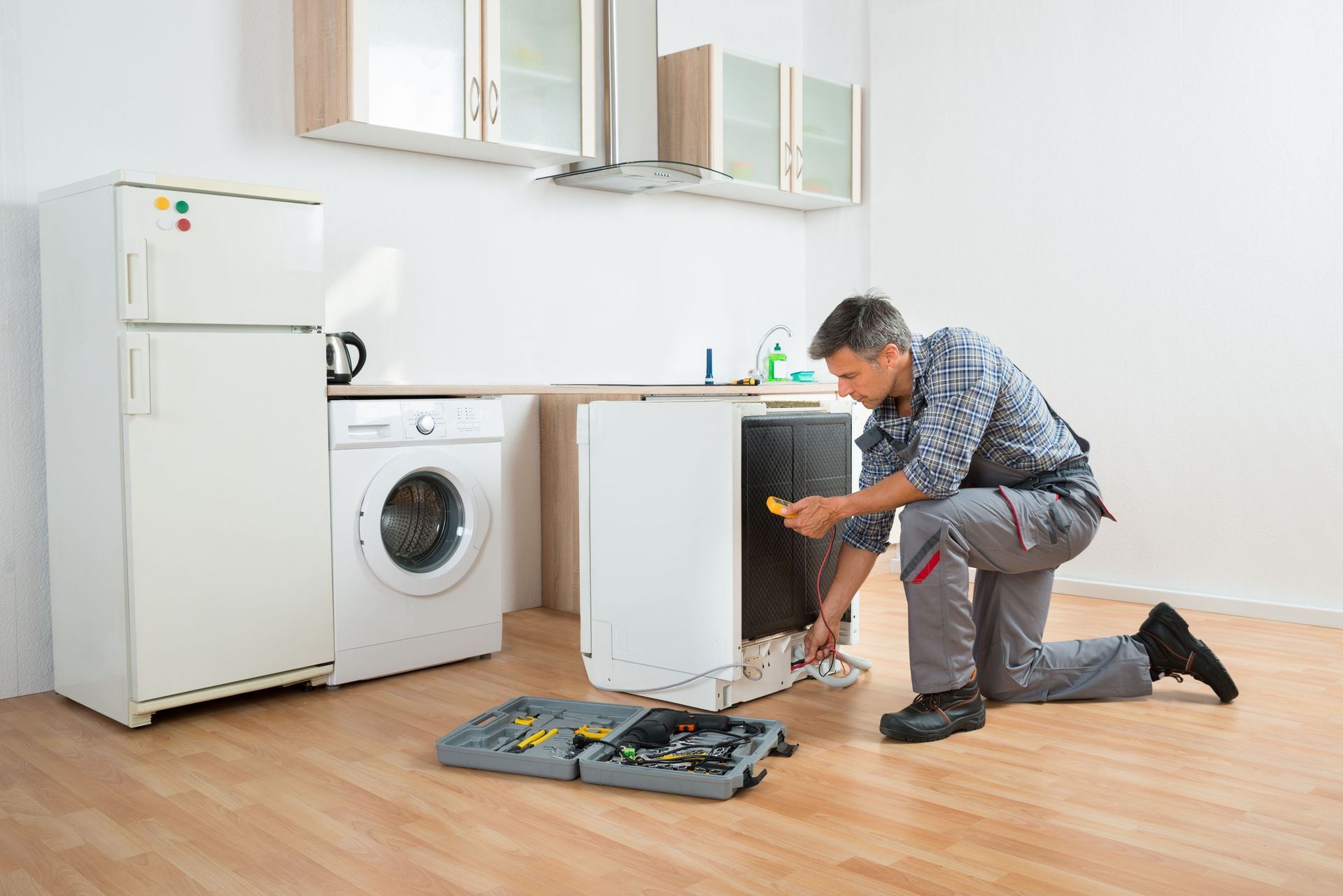
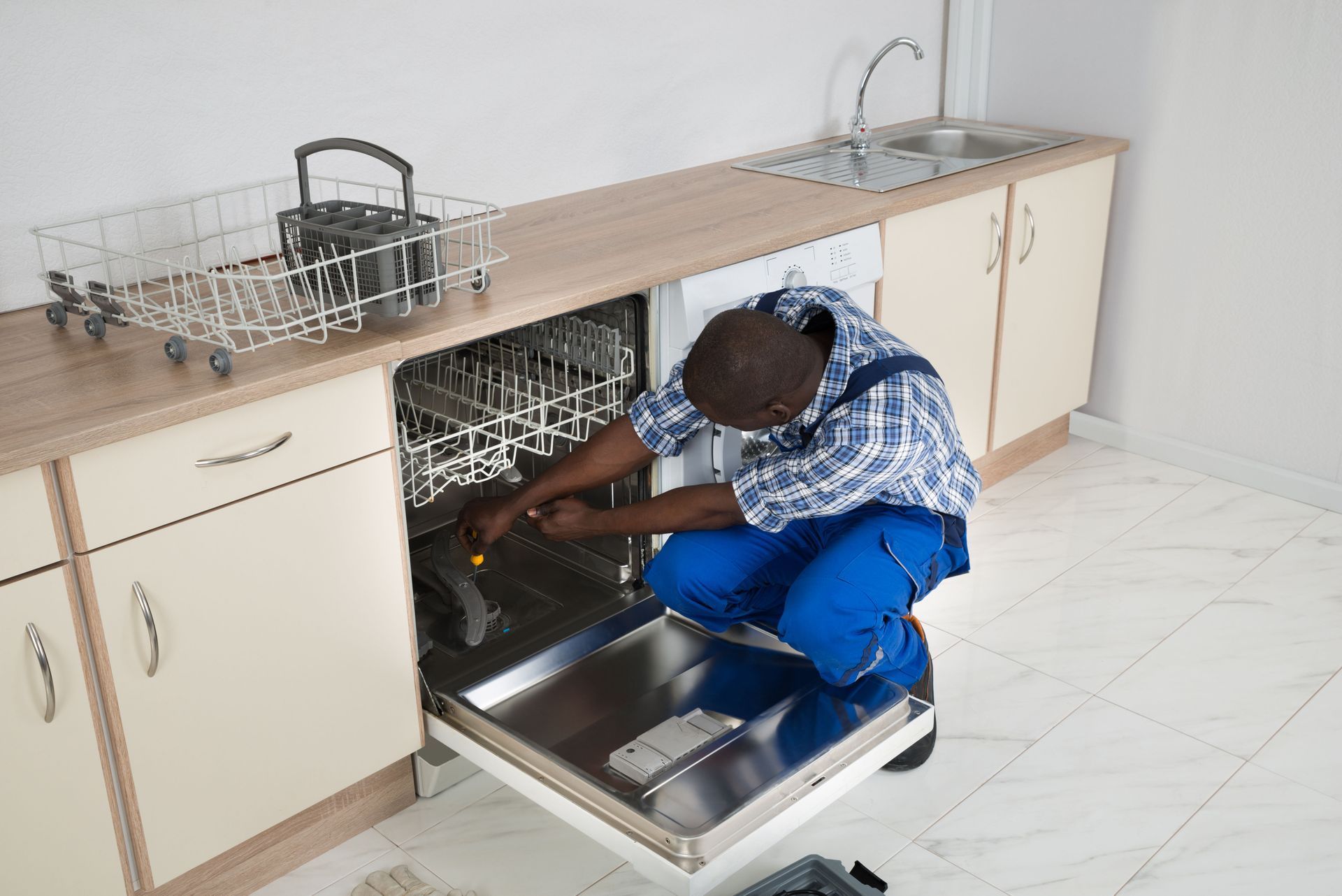
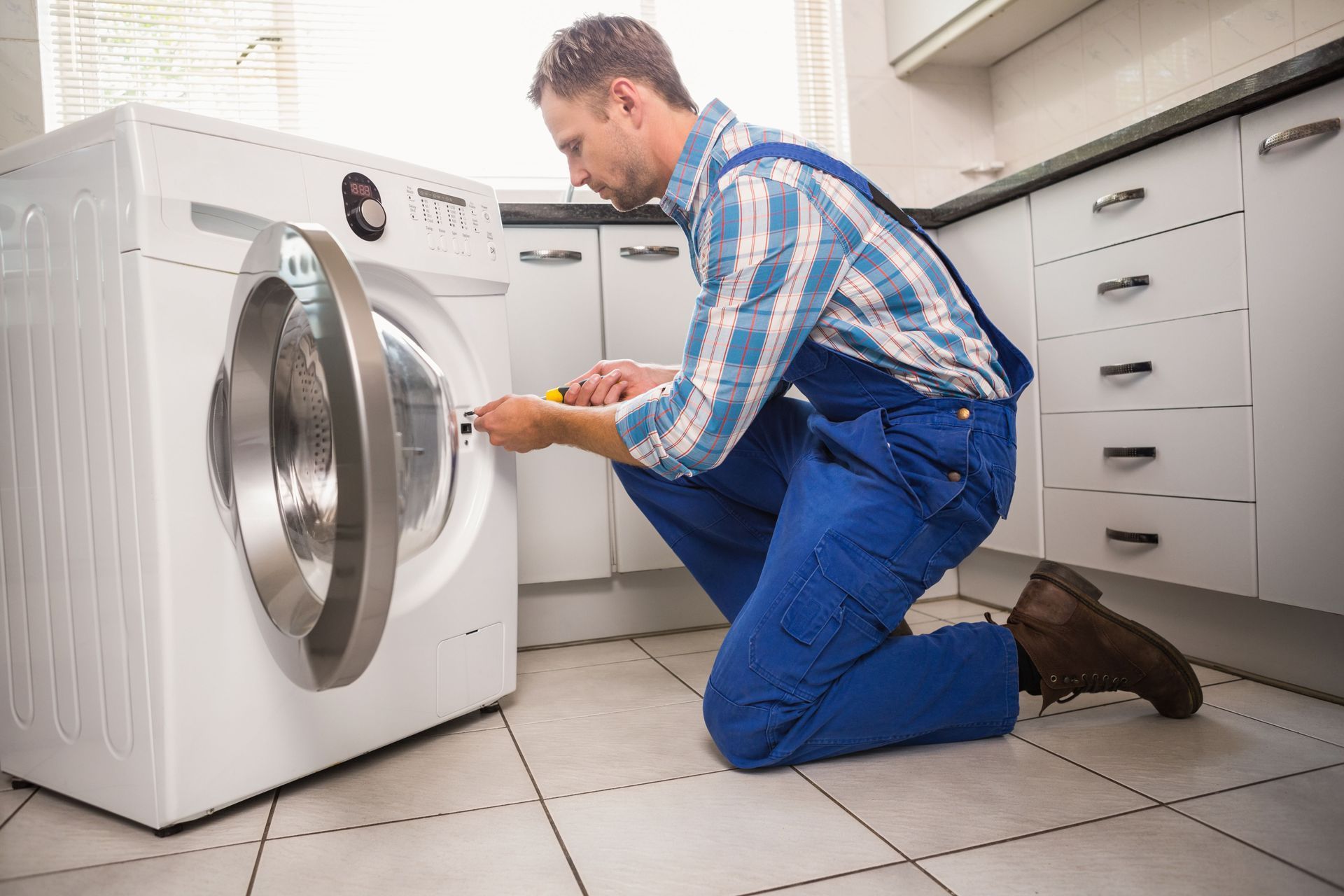
Advancements in technology have indeed made modern appliances more efficient, but this comes at a cost. The increased complexity within these appliances means there are more components that can malfunction, leading to the need for an appliance repair service. This complexity not only affects the internal mechanisms but also makes repairs difficult and more expensive. Consumers may find themselves overwhelmed by the intricacies of their appliances, opting for replacements rather than attempting costly and complex repairs.
Constant Innovation
Constant innovation in the appliance industry results in frequent introductions of newer models, encouraging consumers to upgrade often. This rapid cycle of innovation leads to existing appliances feeling obsolete quickly, even if they are still functional. The allure of the latest features and improved functionalities is hard to resist for many, driving a trend towards more frequent replacements. While innovation drives progress, it also fosters a culture where longevity is overshadowed by the allure of newness. As such, manufacturers continually face the pressure to balance innovation with durability.
Software Dependencies
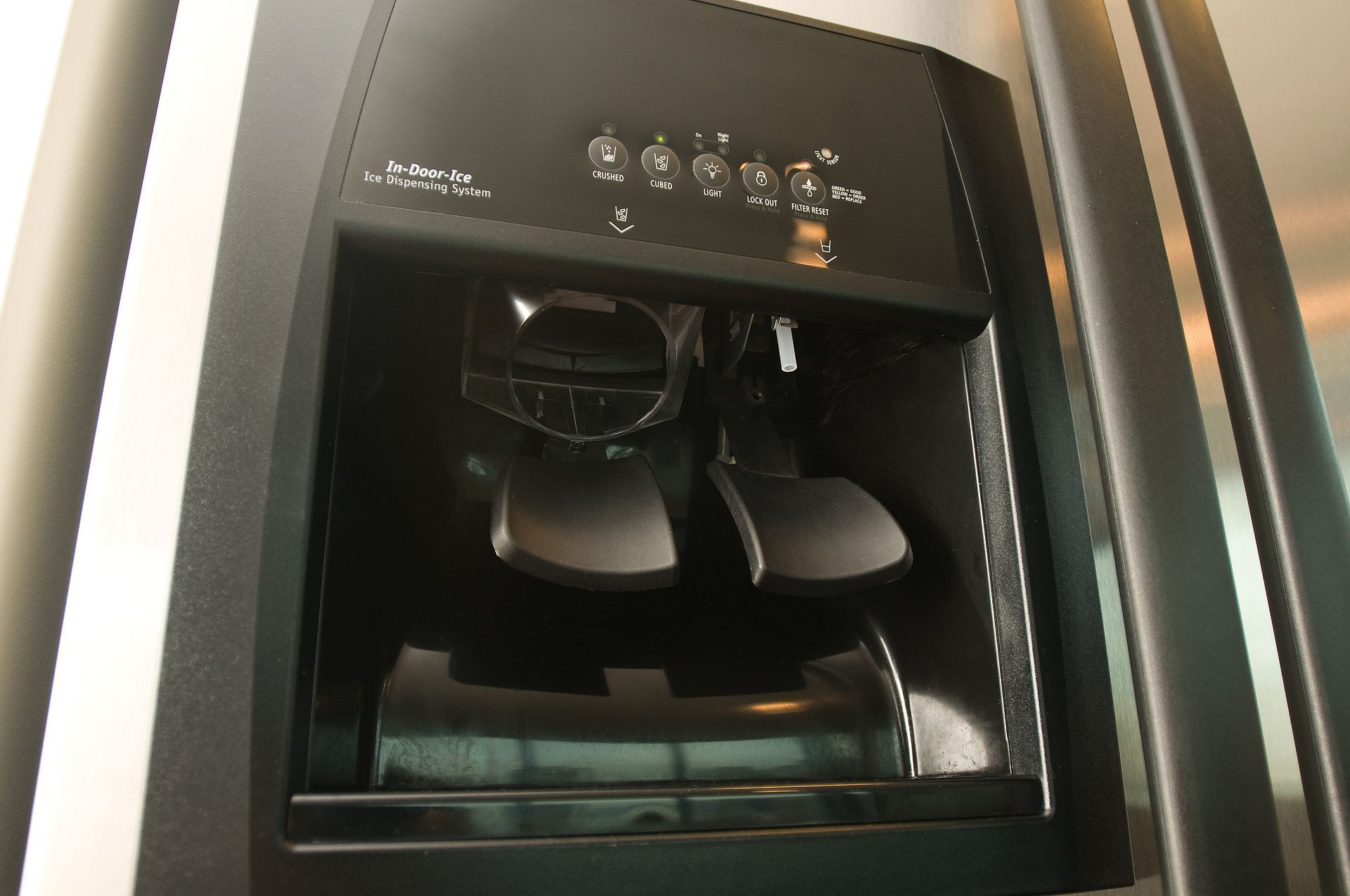
Modern appliances are increasingly reliant on software, integrating smart features that enhance functionality but also introduce new vulnerabilities. Software bugs, necessary updates, and digital obsolescence can shorten an appliance's useful life, making it challenging to maintain its original functionality over time. As software becomes a critical component, its limitations in adaptability pose significant challenges.
Impact on Durability
The focus on enhancing functionality and integrating new features often comes at the expense of appliance durability. As manufacturers pack more features into appliances, the emphasis tends to shift from building robust, long-lasting products to ensuring short-term consumer satisfaction. The result is that, although appliances may offer advanced functionalities, their lifespans are limited compared to their less feature-intensive predecessors. Consumers thus face a trade-off between advanced features and reliable, long-term operation. Addressing this tug-of-war between features and durability is essential for manufacturers aiming to win long-term consumer trust.
Materials and Manufacturing
Use of Lightweight Materials
In an effort to reduce shipping costs and improve energy efficiency, manufacturers have increasingly turned to lightweight materials in appliance production. While these materials may lower costs and environmental impact, they often come with trade-offs in terms of durability. Lightweight materials are generally less robust, making appliances more susceptible to damage from regular use. Such materials may not withstand the wear and tear that older, heavier materials could endure. Consequently, the lifespan of modern appliances can be compromised by the very materials designed to make them cheaper and friendlier to the environment.
Manufacturing Processes and Quality Control
Modern manufacturing processes are frequently designed to prioritize speed and cost-effectiveness, often at the expense of quality. The shift towards mass production sometimes results in reduced time for quality control, increasing the risk of defects in appliances reaching consumers. While such processes support economic goals, they can undermine the brand's reputation for reliability. To address these issues, manufacturers must strike a balance between efficient production and rigorous quality assurance. By improving quality control measures, the appliance industry can better ensure that products meet consumers' durability expectations.
Outsourcing Production
The outsourcing of production to regions with different quality standards can also impact the longevity of appliances. While outsourcing can reduce production costs, it may also lead to inconsistencies in quality due to varying manufacturing protocols. These discrepancies can affect the final product, resulting in variability in appliance durability. Consumers may notice this variability in performance and longevity, fueling perceptions that modern appliances are less reliable. To mitigate such issues, manufacturers need to establish stringent quality standards across all production facilities, ensuring consistent output regardless of location.
Consumer Expectations and Behavior
Desire for the Latest Technology
Consumers' desire for the latest technology significantly influences their perception of appliance lifespan. The pursuit of cutting-edge features often drives frequent upgrades, regardless of the actual condition of existing appliances. As a result, appliances may be discarded prematurely, not due to functional obsolescence but because of fashion and technological advancement. The cycle of upgrading can impact perceptions, making otherwise dependable appliances seem fleeting. This consumer behavior presents both challenges and opportunities for manufacturers aiming to align new technological offerings with durable, sustainable solutions.
Trend of Frequent Replacements
Modern consumer culture leans towards replacing appliances rather than repairing them, contributing to the perception of shorter lifespans. Repairs can often be perceived as cumbersome or not cost-effective, pushing consumers towards purchasing new models instead. This tendency is also reinforced by marketing strategies that promote the benefits of newer appliances over older models. As consumers become accustomed to regular replacement cycles, their baseline expectations for product longevity are adjusted accordingly. Addressing these trends requires a shift in consumer mindset towards valuing repair and long-term use over convenience.
Shorter Product Life Cycles
The rapid evolution of consumer expectations frequently compels manufacturers to shorten product life cycles, ensuring their offerings meet market demands. This quick turnover can result in appliances being designed with limited long-term usage in mind, focusing instead on immediate appeal and functionality. Appliances produced in such a cycle may lack the longevity of older models, further fueling the perception of decreased durability. Managing consumer expectations and aligning them with realistic product life cycles remains a challenge for manufacturers. By improving transparency and communication with consumers, companies can better balance innovation with realistic longevity expectations.
Planned Obsolescence
Intentional Shortening of Lifespan
The theory of planned obsolescence suggests that manufacturers deliberately shorten appliance lifespans to boost repeat sales. This strategy can manifest through design choices or by limiting the availability of replacement parts and technical support. While this approach may drive short-term profitability, it risks damaging brands' long-term image and trustworthiness. For consumers, planned obsolescence presents frustrating challenges, reinforcing perceptions of appliance unreliability. Addressing such concerns requires industry-wide transparency and a commitment to quality and sustainability from manufacturers.
Design Choices
Design choices that limit repairability or facilitate quicker wear can serve as tools for planned obsolescence. Appliances may feature welded or glued components instead of screws, complicating repairs and pushing consumers towards replacements. This design philosophy not only limits the lifespan of products but also impacts consumer sentiment towards the manufacturing brand. Emphasizing repair-friendly designs can mitigate these issues, offering a more consumer-conscious approach to appliance production. Encouraging designers to create products with longevity in mind ensures a sustainable future for both consumers and manufacturers.
Economic Motivations
Economic motivations behind planned obsolescence include maximizing profit margins and stimulating market demand through frequent turnovers. Manufacturers may consider this approach a viable strategy to sustain growth in competitive markets. However, this short-term gain can create long-standing damage to brand reputation and consumer loyalty as awareness of such practices grows. Companies looking for long-term success will need to weigh these economic benefits against potential reputational risks. Embracing durability and customer satisfaction becomes a more sustainable path in building faithful consumer bases.
There's clearly a complex interplay of technology, manufacturing, consumer behavior, and economic influences contributing to the perception of declining appliance longevity. From dependence on intricate technologies and changing manufacturing priorities to evolving consumer expectations and economic restraints, a multifaceted picture emerges. To learn more from appliance repair service professionals, reach out to Quality Appliance today!